
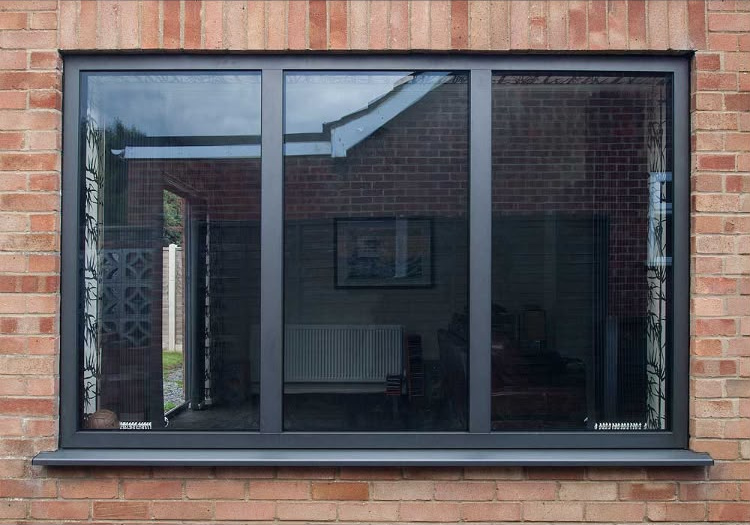
Triple Glazing
in Chester, Deeside
& North Wales
The warmest, quietest glazing we fit — three panes, two argon cavities, U-values down to 0.8 W/m²K. Ideal for exposed rural homes, main-road properties and anyone serious about heating bills.
Triple Glazing — the honest version
What it is
Triple glazing uses three panes of glass with two insulating cavities filled with argon or krypton gas. The middle pane is coated with a low-emissivity layer that reflects heat back into the room. The result is a window that loses roughly half the heat of standard double glazing.
Who it's for
Homeowners in exposed positions, near main roads, on flight paths, in new self-builds targeting near-Passivhaus performance, or anyone whose north-facing rooms never quite warm up.
When to book it
Justify the extra cost when you spend a lot on heating, when noise is a genuine problem, or when you're doing a major renovation and don't want to touch the windows again for 20 years.
Why it matters who fits it
Triple glazing is only worth having if the frame keeps up with the glass. A cheap frame with a triple-glazed unit is a waste of money — we spec Eurocell, Spectus or Alunet systems designed to carry the extra weight and match the glass performance.
What happens if you leave it — and what most people get wrong
The mistake with triple glazing is buying it on spec without checking whether the rest of the window can carry it.
- •Heavier units on the wrong hardware drop the sash after a season — hinges and stays need sizing correctly.
- •Frame profiles rated for double glazing flex under the extra weight, breaking seals over time.
- •Overspec the glass on a badly ventilated room and you'll swap window condensation for wall condensation.
- •Cheap triple units without krypton fill perform little better than good double glazing — you paid twice for the same result.
- •Choosing triple glazing on cost of glass alone without upgrading the frame and hardware.
- •Fitting into rooms with no background ventilation, causing internal moisture problems.
- •Assuming triple glazing solves noise by itself — laminated acoustic double is often better for traffic noise.
- •Buying from a supplier who won't provide the exact U-value, spacer type and gas fill in writing.
Five steps, no surprises
Every install runs the same way. It's how we hit 3-week lead times on standard jobs and 48-hour survey turnaround.
Free On-Site Survey
We come out within 48 hours of your enquiry, measure every aperture accurately and check reveals, sills, lintels and drainage. No pressure, no gimmicks.
Written, Itemised Quote
You get a fully itemised quote — profile system, glass spec, colour, hardware and finish. Composite doors back in 24 hours, windows typically within 3 days.
Order & Manufacture
Once approved, we place the order with our trade suppliers. Standard windows and doors run ~3 weeks, bespoke items 4–5 weeks. Stock composite doors 7–10 days.
Expert Installation
Our own installers fit every job. Frames set square and plumb, sealed with low-modulus silicone and expanding foam, internal beading, no drafts or gaps.
Testing & Handover
Every window and door is tested for operation, locking and seal. Site left clean, old frames removed, care advice given, guarantees registered with Assure.
What you actually get — not marketing talk
Half the Heat Loss
U-values from 0.8 W/m²K compared to 1.2 for good double glazing — measurable savings in heating.
Serious Noise Reduction
Three-pane construction with different pane thicknesses cuts road, rail and aircraft noise noticeably.
Warmer Room-Side Glass
The inner pane sits closer to room temperature, killing cold downdraughts and condensation.
Higher Property Value
New-builds and renovations with triple glazing show better EPC ratings and command a premium.
Long-Term Comfort
Rooms feel evenly warm rather than warm-near-the-radiator and cold-near-the-window.
Future-Proof
As Building Regs tighten, triple glazing is heading from 'optional' to 'expected'. Fit it once, forget it.
How we spec & fit triple glazing
Triple glazing is a spec game. The pane thicknesses, cavity widths, spacer type and gas fill all decide the U-value and the noise reduction — and they should all be on the paperwork.
Materials & systems
Sealed Unit Construction
4-16-4-16-4 (44mm overall) or 4-18-4-18-4 (48mm) with warm-edge Super Spacer or Swisspacer bar.
Low-E Coatings
Soft-coat low-emissivity on positions 2 and 5, reflecting heat back inside without cutting daylight.
Gas Fill
90%+ argon fill standard; krypton fill available for premium thermal performance in thinner cavities.
Frame Systems
Eurocell Modus 75mm, Spectus 70mm or Alunet aluminium — all rated to carry the extra weight of a triple unit.
How we install
- Every sealed unit tested for gas fill before dispatch — triple glazing lives or dies on the argon retention.
- Hardware upsized to match unit weight — friction stays, hinges and multi-point locks specced to sash weight, not to a default.
- Frames fitted with continuous perimeter insulation so the improved glass isn't undermined by a cold-bridged reveal.
- Trickle vents essential — triple glazing seals a room tighter, so background ventilation matters more, not less.
Variations & options
Standard Thermal Triple
Two argon cavities, low-e on positions 2 and 5, U-value ~0.8 W/m²K. The default for most homes.
Acoustic Triple
Different glass thicknesses (e.g. 6-16-4-16-4) with a laminated acoustic outer pane. For main roads and flight paths.
Solar-Control Triple
Coated to reflect solar gain — used on large south-facing apertures to prevent overheating.
Self-Cleaning Triple
Pilkington Activ coating on the outer pane breaks down dirt and helps water sheet off — useful on high or awkward-to-reach windows.
Passivhaus-Grade Units
Krypton-filled with high-performance warm-edge spacers, U-values down to 0.6 W/m²K for near-Passivhaus renovations.
Situations we typically fit this for
- Exposed rural properties in Flintshire and North Wales where wind chill is significant.
- Homes on main roads or the A55 corridor where noise reduction is the primary goal.
- Self-builds and deep retrofits targeting a low EPC and low running cost.
- North-facing rooms that never quite warm up in winter.
- Bedrooms directly under a flight path or above a busy street.
Triple Glazing — your questions answered
Is triple glazing really worth the extra cost?
+
In an exposed, high-heat-loss or noisy property, yes — you feel it in comfort and in bills. In a well-insulated mid-terrace, good double glazing is often better value. We give you an honest recommendation at survey, not a sales pitch.
How much more expensive is triple than double glazing?
+
Triple glazing costs more than double — there is extra glass to pay for, plus any frame upgrade needed to carry the weight. We quote both specifications after survey so you can see the difference for your house.
Will triple glazing stop road noise?
+
It reduces it — significantly on higher frequencies. For heavy traffic or trucks, we usually specify an acoustic triple with a laminated outer pane rather than a standard thermal unit.
What U-value should I aim for?
+
0.8 W/m²K is the standard triple-glazed unit; 1.0 is basic; 0.6 or lower means Passivhaus-grade with krypton fill. We put the exact number on the quote.
Does triple glazing cause condensation on the outside?
+
Occasionally in autumn on the outer pane in the early morning — a sign the glass is doing its job and not letting warmth escape. It clears within an hour.
Can I fit triple glazing into old timber frames?
+
No — the weight and thickness require a modern uPVC or aluminium system. If the frames are sound, we can sometimes fit thinner argon-filled double units instead.
How long does triple glazing last?
+
The glass units are guaranteed 5 years but usually run 15–20 before any need replacing. Frames 10 years guaranteed, 20+ real-world lifespan.
Is triple glazing needed for Building Regs?
+
Not currently — double glazing at 1.4 W/m²K passes Part L. But regs are tightening, and triple is fast becoming the new-build standard.
Can I have triple glazing on only some windows?
+
Yes. Many homeowners specify triple on north-facing or roadside rooms and standard double elsewhere. We'll quote both options.
Do you fit triple glazing across North Wales?
+
Yes — Chester, Deeside, Mold, Buckley, Flint, Wrexham and the surrounding countryside.
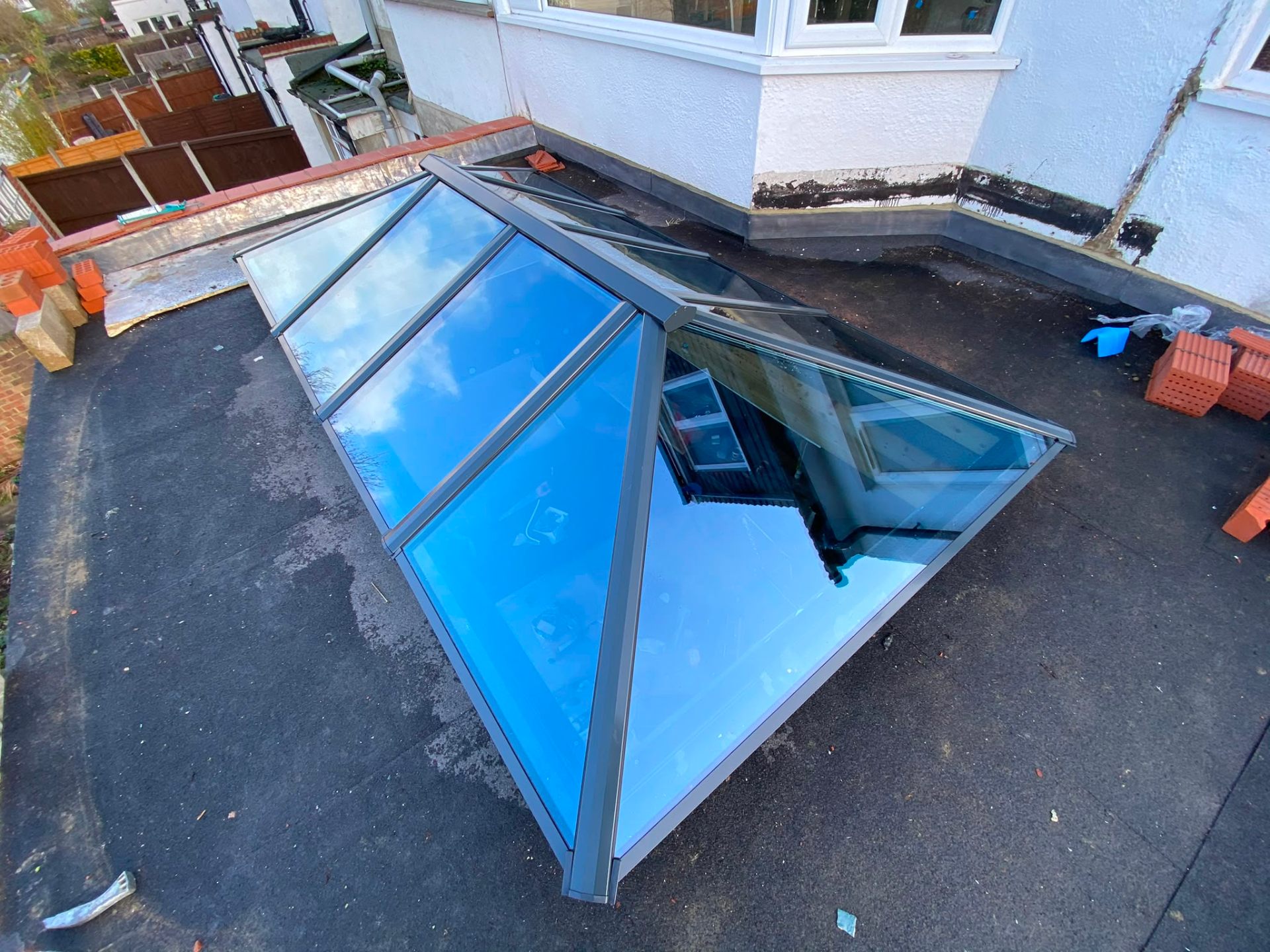
Warmer, Quieter Windows — Priced Honestly
We'll survey your property, tell you where triple genuinely pays back and where double is smarter, and quote both in writing.
Other things we fit for homes across the region
Fitted across Chester, Deeside & North Wales
Family-run installer based in Ewloe, roughly 30 miles across the border into North Wales and Cheshire. Prefer a chat first? Call 07946 759187 or book a free survey.